PCB Prototype & PCB Clone
After PCB schematics clone and layout reconstruction, we deliver finished physical prototype boards. Turn recovered schematic and Gerber data into real working circuit boards for testing, validation and technical research.

After PCB schematics clone and layout reconstruction, we deliver finished physical prototype boards. Turn recovered schematic and Gerber data into real working circuit boards for testing, validation and technical research.
PCB schematics clone, file validation, PCB fabrication, SMT assembly and physical prototype delivery.
Recover editable schematic, layout, Gerber, drill files and BOM list from original physical PCB sample, prepare all data for prototype production.
Manufacture bare circuit boards based on reverse‑engineered Gerber data. Support multi‑layer, different thickness and common substrate materials.
Component sourcing, pick‑and‑place assembly. Deliver bare PCBs, partially‑assembled or fully‑soldered functional prototype boards.
Evaluate original PCB sample and confirm project scope.
Trace layout, restore schematics, export Gerber and BOM documents.
Check manufacturing files, accept customer modification requests.
PCB production, component procurement and SMT assembly.
Visual check, send physical prototype plus full engineering data.
Yes. This prototype service is built upon PCB schematics clone output. We need reversed schematics, layout and BOM to produce the physical prototype.
Absolutely. You can select bare‑PCB only, partial assembly or full SMT assembly according to your testing requirements.
Yes, we support small‑quantity prototype starting from 1 unit for laboratory verification after schematic clone work.
We follow cloned schematics strictly, but minor differences may come from component tolerance and manufacturing process. Function validation after receiving prototype is required.
Our PCB prototype service focuses on building physical circuit boards after completing PCB schematics clone work. Many customers obtain restored schematics and Gerber files but lack channels to produce real‑world hardware samples. This end‑to‑end service fills the gap between reverse‑engineered design files and tangible physical boards. We start from schematics clone which recovers complete circuit logic from original physical board samples. After schematic tracing, our engineers validate layout integrity and correct obvious design defects. We generate production‑ready Gerber, drill files and full BOM for prototype manufacturing. The prototype phase turns those digital documents into real assembled printed circuit boards. This service removes extra work for customers who cannot handle PCB fabrication and component sourcing. We support single‑layer, double‑layer and multi‑layer prototype boards for reverse‑engineering projects. Rigid‑board, flexible board and simple HDI prototypes are available for different project requirements. Every prototype strictly follows the traced schematics and recovered layout parameters. Board dimension, trace width, spacing and layer stack‑up match the reference hardware. We perform pre‑production file checking to avoid manufacturing mistakes caused by clone deviation.
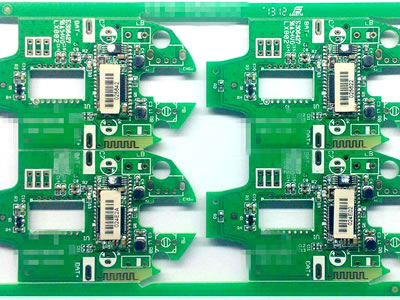
Component selection follows the BOM generated during the schematic clone procedure. Customers can choose original parts, compatible alternatives or cost‑effective replacements. Partial assembly and full SMT assembly options are both available for prototype orders. Bare‑board only delivery is also supported if clients prefer to assemble components by themselves. The prototype is mainly used for function verification after schematic clone completion. Engineers can test whether the reversed circuit works the same as the original hardware. It helps verify signal integrity, power supply performance and logic connection correctness. If prototype shows functional differences compared with source sample, we carry out file revision. Iterative adjustment can be done until prototype performance meets expected standard. This service is widely used for legacy hardware reproduction after board reverse‑engineering. It supports technical research, equipment repair and small‑scale functional verification. Fast turnaround time fits urgent validation tasks for reverse‑engineering outputs. We handle file review, PCB fabrication, component procurement and board assembly in one workflow. Customers only need to provide original hardware sample and basic project requirements. No extra manufacturing knowledge is required from the client side. Each finished prototype will go through basic visual inspection before shipment. We deliver physical prototype together with the full set of clone engineering documents.
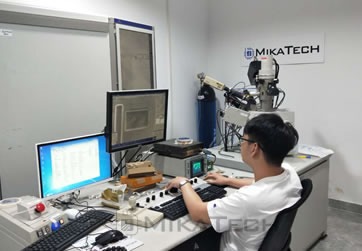
The combination of schematic clone plus prototype manufacturing greatly shortens research cycles. It avoids the trouble of finding separate vendors for cloning and board making. Our technical team keeps tracking consistency between cloned schematics and produced prototype. Any inconsistency will be reported before mass‑production suggestion. This service is oriented for technical research, hardware analysis and equipment maintenance scenarios. It is not intended for unauthorized commercial copying of protected proprietary products. We keep all project‑related files and prototype samples under strict confidentiality rules. Different prototype quantities are supported from 1 piece for lab testing to small‑batch runs. Special impedance requirement, high‑frequency material and thick copper board need pre‑project evaluation. Customers can request modification on cloned schematics before starting prototype production. Minor circuit optimization is allowed to improve prototype stability. Our team provides basic technical notes for prototype testing reference. All prototype outputs are built upon the result of prior PCB schematics clone work. High‑quality clone output is the foundation of reliable prototype performance. We remind customers that minor deviation may exist due to component tolerance and manufacturing process. Functional test on received prototype is strongly recommended for every project. This one‑stop solution makes reverse‑engineering project implementation much smoother for global engineers and research teams.